Ancient rock paintings and Gobi Desert (15 days)
Highlights
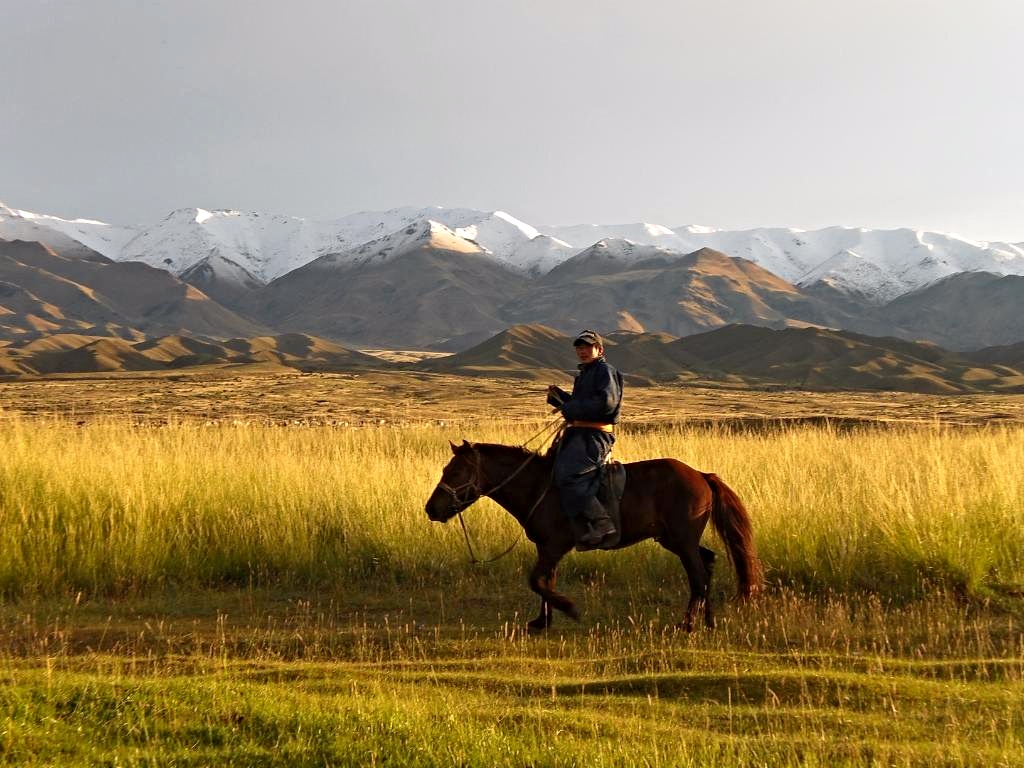
This tour itinerary is an idol for everyone who wants to discover Mongolian Gobi Desert, its beauty and central part where witnessed most historic event of Ancient Mongolia. Camel ridding through Gobi sand dunes, visiting local nomadic families, camel ridding along sand dunes and visiting historic sites will be wonderful experience of your life. Leave your travel worries with us and create the unforgettable memories of your life time in Mongolia.
Duration: 15 days/14 nights
Tour grade: Easy
Covering distance:
Group size: 2-20
ITINERARY:
Day 1. Ulaanbaatar
Arrival in Ulaanbaatar and meet our guide and driver. Transfer to hotel and check in. In the afternoon city tour in Ulaanbaatar city: visit Sukhbaatar Square, Chinggis Khaan’s monument, Natural History Museum, and visit Zaisan Memorial for Panoramic view of Ulaanbaatar. Overnight at hotel.
Day 1. Travel to Mongol Els Today we will leave Ulaanbaatar for the Mongol sand dune. After driving on asphalt road for 280 km, we will see long sand dune. From here, you can have feeling of Gobi Desert as well.
Also, this is a home to some animals such as boar, wild cats, fox, musk deer, wolf, rabbit etc… The mountain has been protected since 2003 as a National Park. There are many historical places, including: Uvgun temple, granite stone statues, Senget khad dating back to the Bronze Age, many tombs and tumuli in Khiidiin davaa in the south of Khugnu khan. We will visit a nomadic family and have short camel riding to the sand dune. Stay overnight in the Ger camp.
Day 3. Travel to Kharkhorin
Driving for 80 km on asphalt road after breakfast will bring us to the start of monks’ Buddist ceremony at the monastery Erdenezuu of Kharkhorin city which was once the first capital city of the Great Mongol Empire dated back to the 13rd century. In 1380, Kharkhorin was destroyed. But approximately two centuries later, on the same site, there arose the yurt of Avtai Khan, founder of the Erdene Zuu Monastery. But during the Stalinist purge in 1930s, the monastery was destroyed. In 1965 it restored and became a museum. In the afternoon, we will visit the museums to have the all necessary knowledge of our history, religion, about the ancient city and explore the city. Stay overnight in the Ger camp. BLD.
Day 4.Travel to Garid Rock
Continue the drive to Garidyn Khad cliff which is located on the eastern edge of Khangai mountains of Uvurkhangai province. The rock is in interesting shape and located in very beautiful landscape. You will feel freedom of nature and enjoy evening sunshine from there. On the way Overnight at tented camping.BLD.
Day 5. Travel to Orog lake
After a relaxing morning at the camp,we will drive towards Lake Orog which lies on the north side of the Ikh Bogd Mountain range. Orog lake is located about 100 km south of the Bayankhongor city. It's located at the end of the Tuin river and is nestled amongst Ikh Bogd mountains.Orog Lake is a saltwater lake. Water levels vary, depending on inflow from the Tuin River,which rises in the Khangai mountain range. On the northern side of the lake, there is a wide sand dune which stretches along the shore.The Lake’s shore is a bird paradise. We will camp overnight in the middle of Elsengezeg small sand dunes along lake shore.Stay overnight at tented camping. BLD.
Day 6. Ikh Bogd Mountain Ikh Bogd "Great Saint" also known as Tergun Bogd, is a mountain of the Gobi-Altai mountains and located in the Bayankhongor province in Mongolia. It has an elevation of 3,957 metres (12,982 ft) above sea level For stupendous views, we will drive to the top of the Ikh Bogd mountain where the lake looks like cloud in the sky from. From there, you will also see how the big mountain range was splitted earlier years because of earthquake. Rocky peaks loom over changing landscapes that are ideal for archaeological explorations, bird watching, wildlife watching, hiking and mountain climbing. It is always nice to camp on that mountain in summer time. Stay overnight in tented camping. BLD.
Day 7. Travel to Bichigt Khad
Drives to Bichig Khad, literally Stone with inscriptions, are located in the Bayan range of Bayanlig. They have been dated to 3, 000 years ago and are considered sacred. While the animal drawings here also provide evidence that Mongolians have been domestic, there is other evidence that that they once farmed and domesticated animals. Continue the tour to White Cave, which is located in Bayanlig soum and is home to numerous ancient cave drawings. The inside of the cave is also decorated with crystals and painting is dated from 750.000 years. There are hundreds of images of human beings, animals and symbols (tamga) there were engraved by the prehistoric people on the rocks. The first petroglyphs were likely to have been made approximately 3000 years ago BCE and people had continued to add illustrations until the 8th century CE . Tsagaan agui cave and Bichigt rock drawings are protected by Mongolian government since 1998. Stay overnight in tented camping.BLD.
Day 8. Travel to Khongor Sand Dune
Today we will drive to the massive sand dunes ,Khongor Sand Dunes or Singing Dunes, which is one of the largest and most spectacular sand dunes in Mongolia, There is an oasis called Khongor river with stunning greenery in the summer. It is a great place to ride two humped Bacterian camel named by locals “Prince of Gobi” and see camel breeder’s everyday life. Getting to the top (45 minutes to one hour) is exhausting; every step forward is followed by a significant backslide, but the views of the desert from the sandy summit are wonderful. This dramatic scenery features many colors of nature as white sand dune, the light green grass, red-blue mountains and the eternal blue sky. Stay overnight in ger camp. BLD
Day 9 Camel trek day
Today is relaxing day without car. We will visit Mongolian nomadic camel family to see how they live, to have talk with members of the family about their life. In this way, you will have more natural feeling of who we are and able to see how they prepare dairy products from the camel milk and even how they milk the camels. Then, it will be great to ride camel to the singing dunes to feel like real camel herder of the endless Gobi of Mongolia. Relax at the camp in the morning afternoon Camel trekking along Duut Mankhan, Oasis and visit local camel herder family. Stay overnight in Ger camp. BLD.
Day 10. Travel to Bayanzag After good rest of 2 nights near the singing dunes, today we will head to Flaming Cliff which was the motherland of the Dinosours once in old times. We Mongolians call this place as Bayanzag which means ‘rich in saxaul shrubs’, is more commonly known as ‘Flaming Cliffs’, a name given by the palaeontologist Roy Chapman Andrews, famous American explorer in the 1920s, first excavated in 1922, it is renowned worldwide for the number of dinosaur bones and eggs found in area, which you can see in museums around the world. It is a classic desert of rock, red sands, scrub, sun and awesome emptiness. You will feel mystical, wonderful feeling out there. Stay overnight in ger camp
Day 11. Travel to Baga gazriin chuluu Drive for 240km mostly on a endless steppe to Bagagazriin chuluu ,unique granite rock formations, in the middle of the dusty plains sheltered Zanabazar, the first reincarnated Bogd, during the conflicts between the Khalkh and Oirad Mongols. Later in 19th century, it was home to two revered monks who left rock drawings in the area. The rocks are worshipped by locals who sometimes pilgrimages here. Naturally, there is a legend that Chinggis Khaan grazed his horses here. In this rocky area, we will take a walk and relax mentally. Stay overnight in ger camp. BLD
Day 13. Baga gazriin chuluu- Ulaanbaatar
In the morning, we will say good bye for now to Mongolian countryside and travel back to Ulaanbaatar city mostly on the asphalt road for 300 km. Shopping and farewell dinner. Stay overnight in hotel. BLD.
Day 14. Departure day


Gallery
Maybe you are interested
A Day to Terelj National Park
Nature and Antiquity
Central mongolia
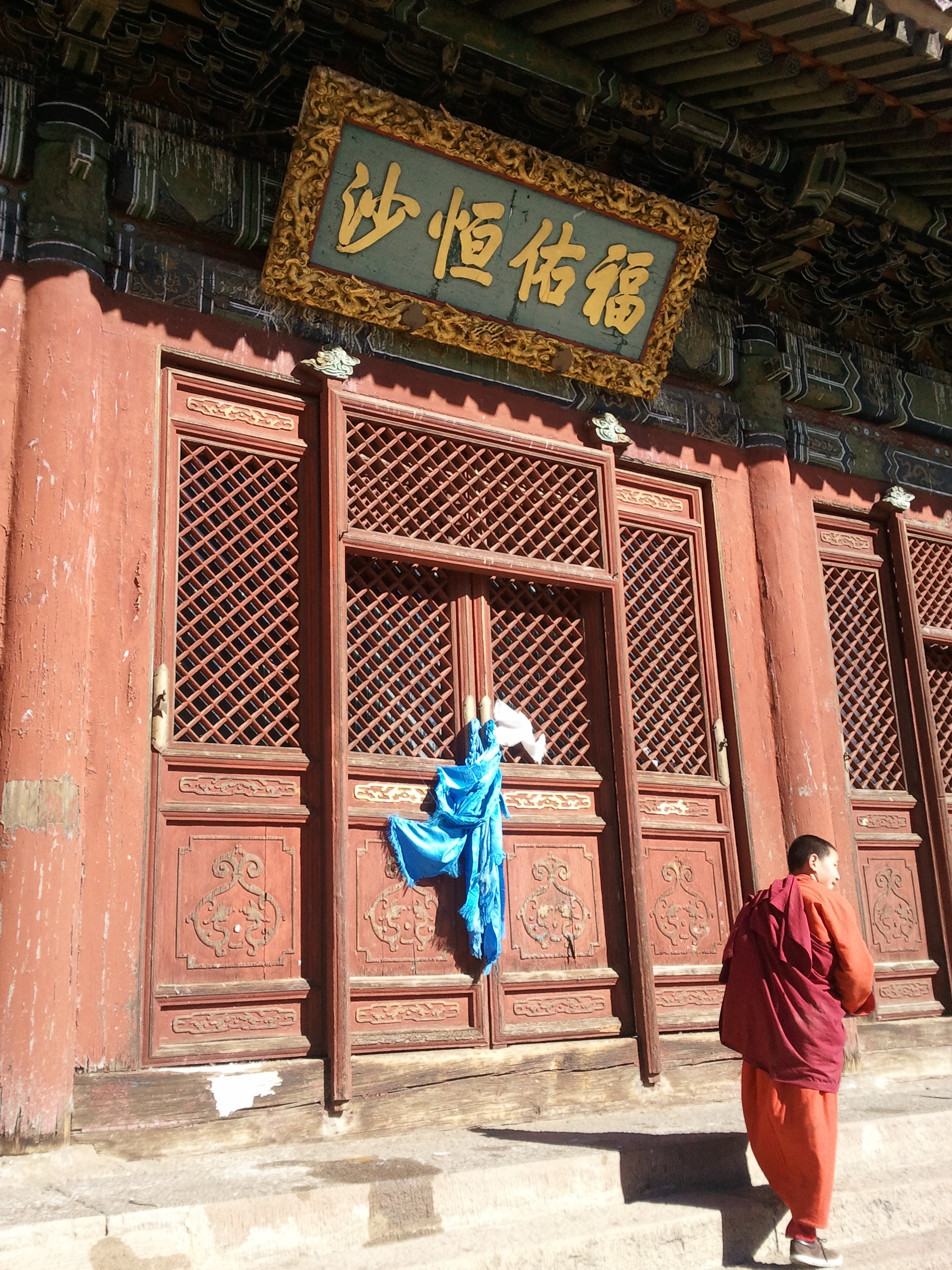
Amarbayasgalant monastery
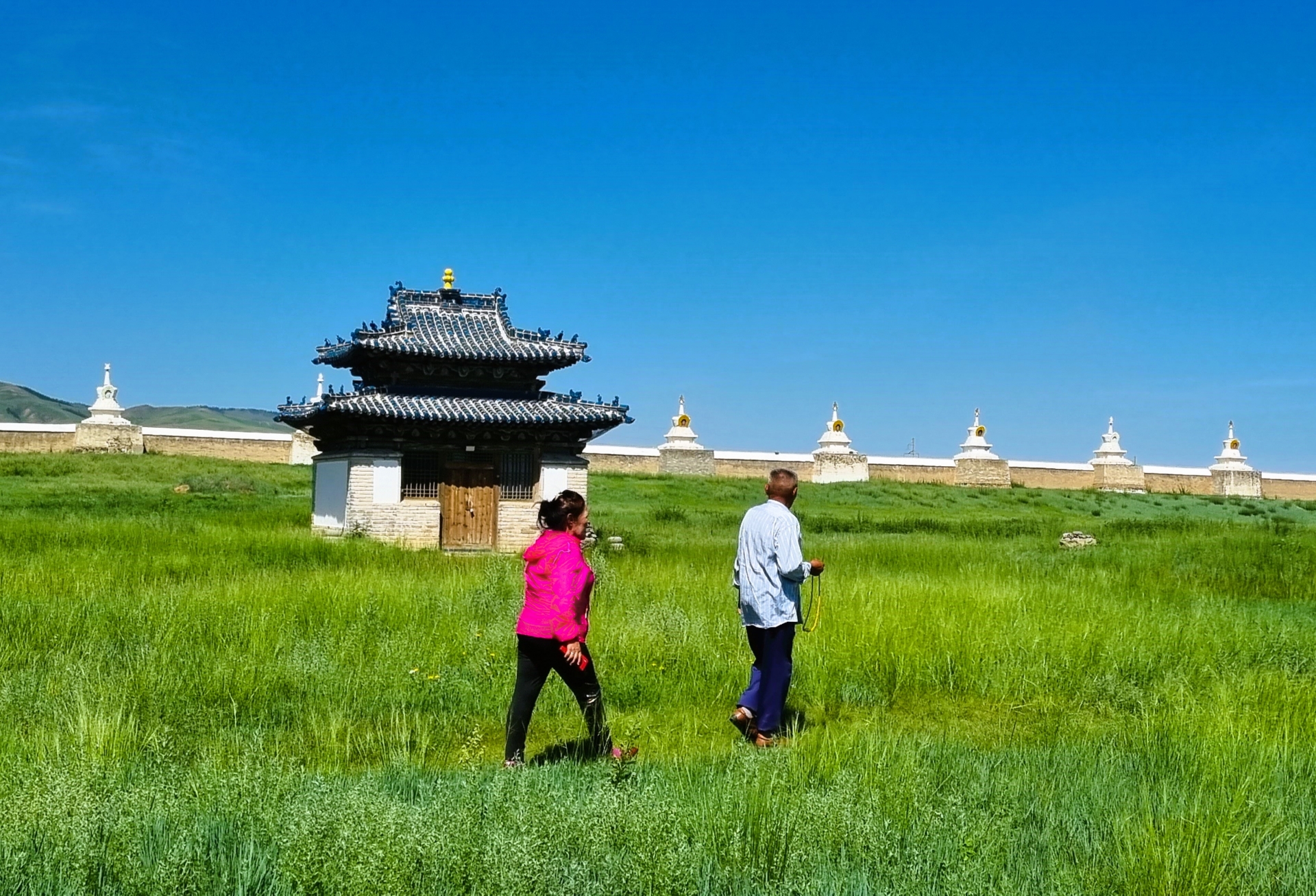
Kharkhorin, the ancient capital
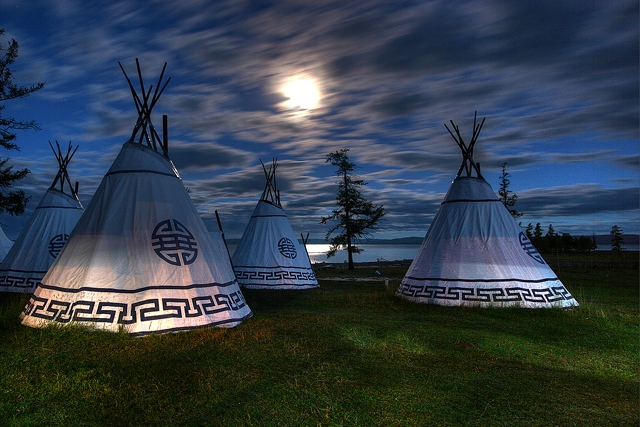
Light of North
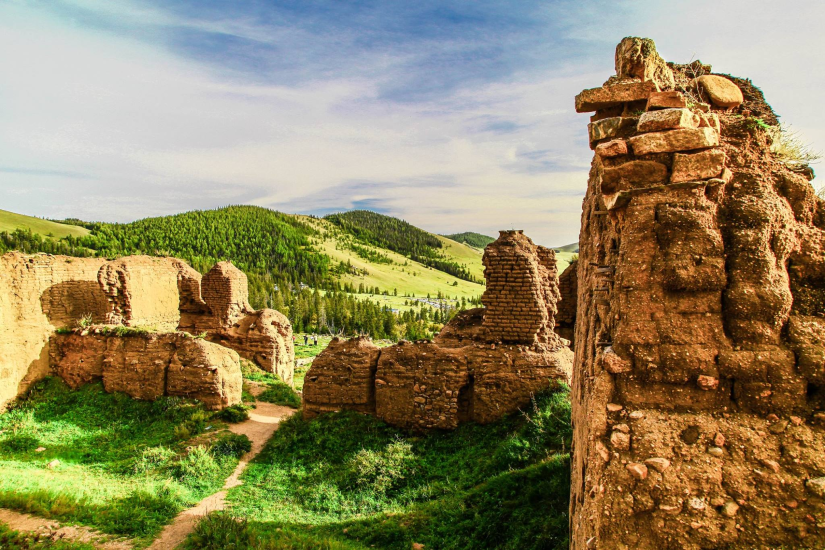
Hiking and relaxing in National parks
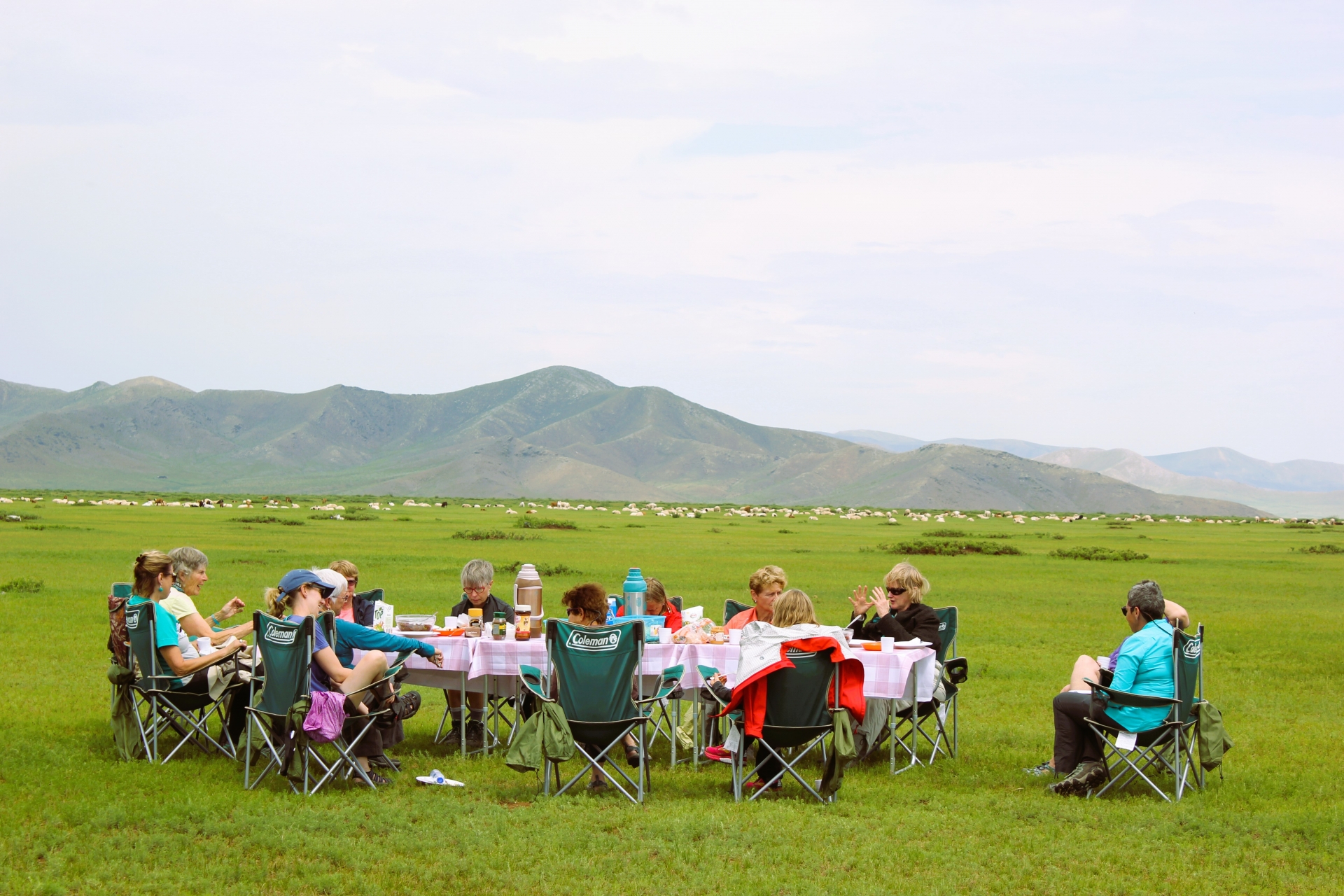
Contrast of Nature